
Spinal Basti
What Is Spina Basti?
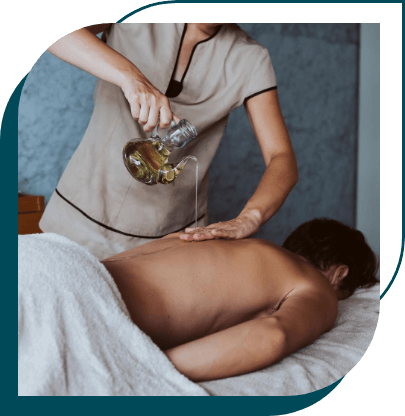
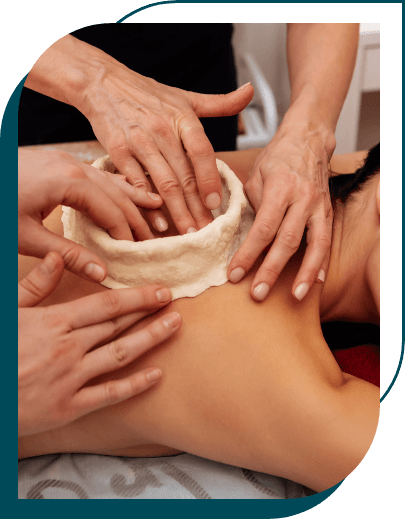
Spinal basti in Ayurveda is an external oil therapy that involves pouring warm herbal oil over the spine and retaining it inside a well made of dough. It is a form of panchakarma, a detoxification and rejuvenation process in Ayurveda.
What Are The Uses Of Spinal Basti?
Spinal basti is used to treat various spinal disorders, such as:
- Back pain
- Stiffness
- Spondylosis
- Disc prolapse
- Herniation
- Sciatica
- Arthritis
- Paralysis
- Nervous disorders
How Is Spinal Basti Performed?
What Are The Benefits Of Spinal Basti?
- Relieving back pain, stiffness, spasms, and fatigue
- Treating spinal disorders like spondylosis, arthritis, disc prolapse, herniation, and degeneration
- Improving blood circulation, nerve function, and flexibility of the spine
- Relaxing the mind and body and reducing stress
- strengthens the bones and ligaments, and restores the balance in the body
- Spinal basti also helps to prevent degeneration and promote regeneration of the spinal tissues.
What Is The Duration OF Spinal Basti?
Spinal basti is usually done for 30 to 45 minutes, once or twice a day, for 7 to 14 days, depending on the condition and the doctor’s advice. A gentle massage and steam bath follow it. Spinal basti should be done under the supervision of a qualified Ayurvedic doctor and therapist.
Who Should Not Undergo Spinal Basti?
- People who have indigestion or low digestion
- People who have excessive oleation or consumption of medicated fats
- People who have exacerbated doshas or diseases ready to be expelled
- People who are tired due to excessive traveling
- People with a fever, diarrhea, bleeding disorders, pregnancy, menstruation, etc.
Are There Any Side Effects Of Spinal Basti?
- Allergic reactions to the herbal oils or ingredients used in the decoction
- Infection or inflammation of the anal region due to improper hygiene or technique
- Aggravation of the doshas or diseases if given in contraindicated conditions, such as indigestion, low digestion, excessive oleation, etc.
- Pain, swelling, bleeding, or perforation of the rectum or colon due to excessive pressure or force of the enema
- Nausea, vomiting, headache, dizziness, or fainting due to dehydration or imbalance of electrolytes
Is Spinal Basti Painful?
Frequently Asked Questions

What can I expect after a spinal basti session?
After a spinal basti session, individuals may experience a sense of relaxation, relief from pain or discomfort, and improved flexibility in the spine. The Ayurvedic practitioner may provide post-treatment recommendations, such as specific stretches, lifestyle modifications, or herbal supplements to support healing.

Is spinal basti a standalone treatment?
Spinal basti is often combined with other Ayurvedic therapies, such as Abhyanga (therapeutic oil massage), Swedana (herbal steam therapy), and Panchakarma (Ayurvedic detoxification). These therapies work synergistically to enhance the overall effectiveness of the treatment and promote holistic healing of the spine.

What other therapies or treatments complement spinal basti?
Ayurvedic practitioners may recommend additional therapies or treatments alongside spinal basti, such as Abhyanga (Ayurvedic oil massage), Panchakarma (detoxification procedures), herbal remedies, and lifestyle modifications to enhance healing.

How many sessions of spinal basti are typically needed?
The number of spinal basti sessions required depends on the individual’s condition and response to treatment. A course of multiple sessions, typically 7 to 14, may be recommended for optimal results.